Why Do Startups Fail, and What Should You Focus on in the First 18 Months?
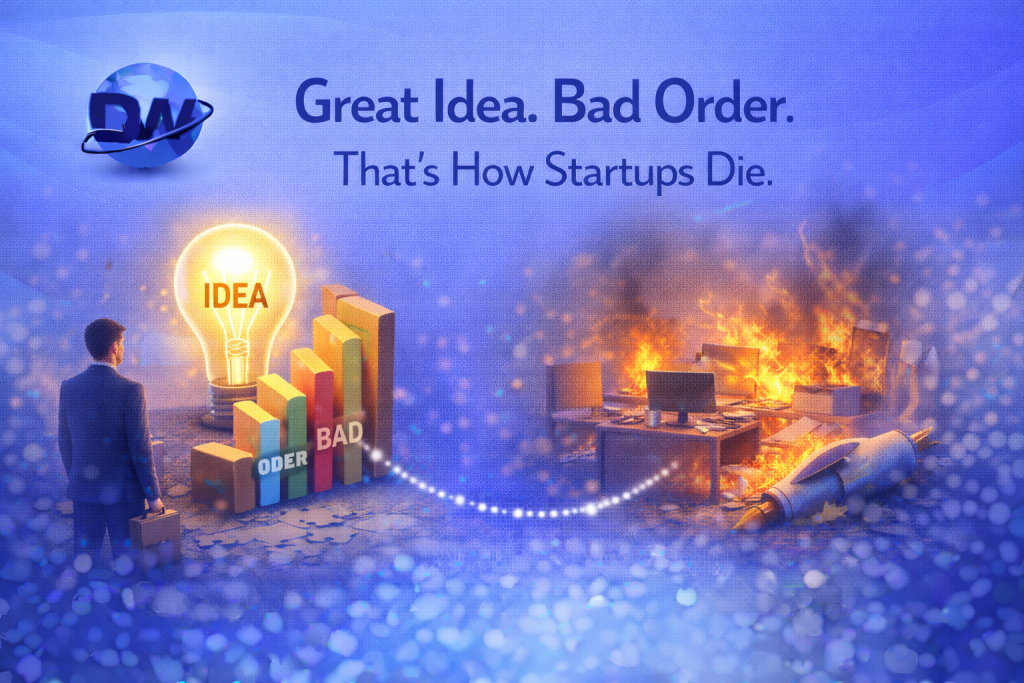
Most founders don’t fail because the product is bad. They fail because execution breaks early, advice pulls them off track, and growth multiplies hidden problems. This post explains why startups fail in the first 18 months and gives a simple execution framework to stay focused.
You’ll learn the go-to-market standardization optimization growth sequence, how to avoid overvaluation in startup funding, and how to filter founder goals vs investor goals so your company builds toward the right outcome.
Why Do Startups Fail, and What Should You Do in the First 18 Months?

If you’ve built something real but the company still feels unstable, you’re not alone. Most startups fail because execution breaks down early, and growth turns small issues into big ones. This post shows a practical startup execution framework you can apply in the first 18 months.
You’ll also learn why standardization and optimization come before scaling, how startup funding and valuation can trap you, and how to filter advice so it matches your goals.